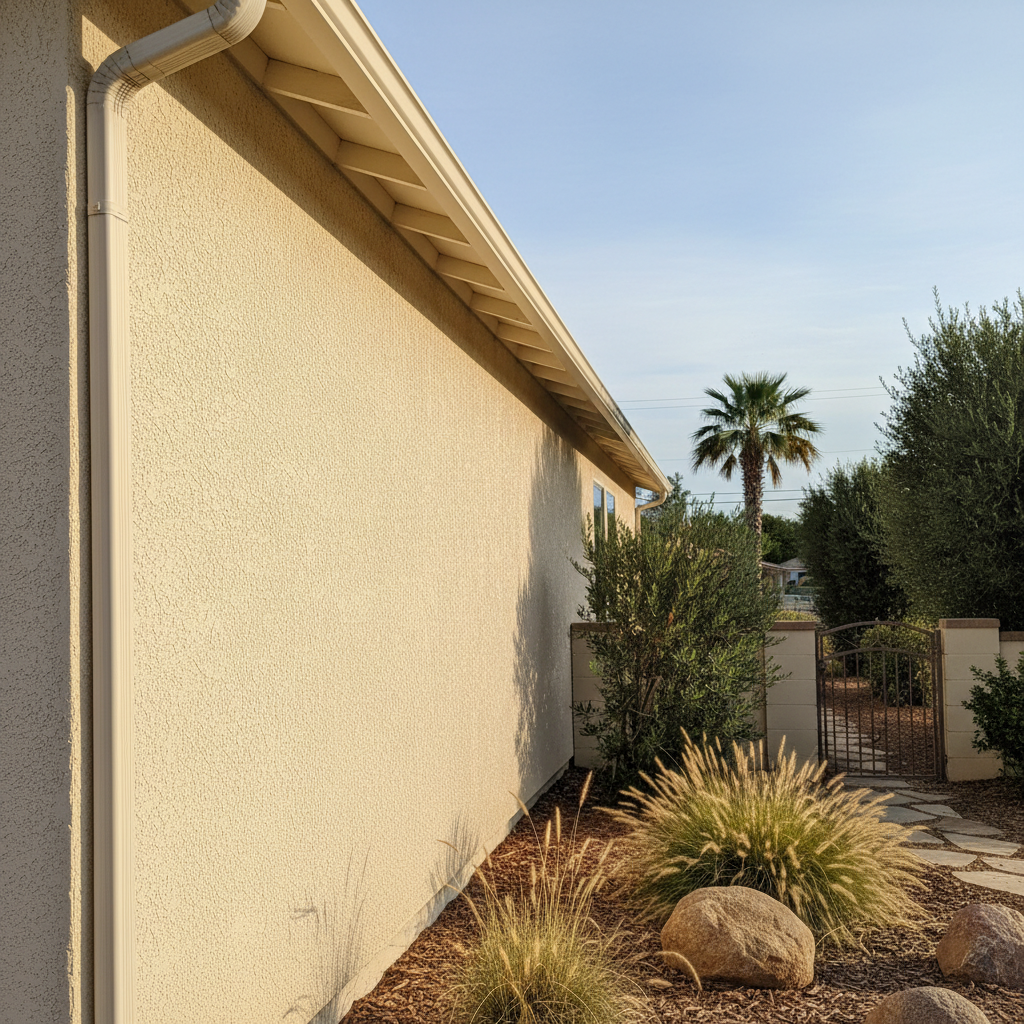
You've got stucco on your house, right? Maybe you love the look, maybe it just came with the place. Either way, it's a fantastic, durable exterior finish, especially here in Fresno where it handles our intense summer sun and occasional winter rains pretty well. But durable doesn't mean indestructible, and it certainly doesn't mean maintenance-free. If you want your stucco to last as long as it should – we're talking decades – you've gotta give it a little attention. I've seen too many good stucco jobs go bad just because folks didn't know what to look for or what to do.
Extending Your Stucco's Lifespan: It's Easier Than You Think
The biggest thing you can do to make your stucco last is pretty simple: keep it clean and keep it dry. That sounds obvious, but you'd be surprised. Our dry, dusty Fresno air means dirt and grime build up. That's not just an aesthetic problem; it can hold moisture against the surface, leading to issues over time. Also, water is stucco's number one enemy. Any place water can get behind the stucco is a problem waiting to happen. So, good drainage around your house, properly functioning gutters, and making sure sprinkler heads aren't constantly dousing your walls are all crucial.
Another big one is paint. A good quality elastomeric paint can add an extra layer of protection against our UV rays and minor hairline cracks. It's not just for looks; it's a sacrificial layer that takes the beating instead of the stucco itself. Just make sure it's a breathable paint. You don't want to trap moisture in.
Regular Maintenance: Your Stucco's Best Friend
So, what does 'regular maintenance' actually look like? It's not rocket science. Here's what I tell my customers:
- Clean it annually: Once a year, give your stucco a good wash. You can use a garden hose with a spray nozzle and a mild detergent. For tougher spots, a soft brush works. Avoid high-pressure washers unless you really know what you're doing; they can damage the surface and force water into places it shouldn't be.
- Inspect your caulk: Check around windows, doors, and any penetrations (like pipes or electrical conduits) for cracked, dried-out, or missing caulk. This stuff is your first line of defense against water intrusion. Re-caulk as needed with a good quality, paintable exterior caulk.
- Trim back plants: Keep bushes, trees, and vines from growing directly against your stucco. They can trap moisture, rub against the surface, and even allow pests to get in. Give your walls some breathing room.
- Check your sprinklers: Make sure they're not spraying directly onto your stucco walls for extended periods. Constant wetting and drying cycles are tough on any material.
Seriously, just walking around your house once every six months with a critical eye can save you thousands down the line. Look for anything that seems off.
Warning Signs: Don't Ignore These Red Flags
Your stucco will tell you when it's having a bad day. You just need to know how to listen. Here are the big warning signs:
- Cracks: Not all cracks are equal. Hairline cracks are pretty common and usually not a huge deal, especially with our temperature swings. But if you see cracks that are wider than a credit card, spiderwebbing, or running diagonally from the corners of windows and doors, that's a bigger concern. Those could indicate structural movement or water damage.
- Stains or discoloration: Dark streaks, especially under windows or near the roofline, often mean water is getting in somewhere. Green or black patches could be mold or mildew, which means persistent moisture.
- Bulging or soft spots: If you push on the stucco and it feels soft, spongy, or sounds hollow, that's a major red flag. It almost certainly means there's water damage and rot happening behind the stucco.
- Flaking, crumbling, or delamination: This is when the stucco itself is breaking down, peeling away from the wall, or becoming powdery. It means the stucco isn't properly bonded or has suffered significant moisture damage.
If you see any of these, don't just hope it goes away. It won't.
When to Call a Pro (Like Us!)
Look, a lot of the basic maintenance you can handle yourself. But there are times when you absolutely need to call in a professional. If you're seeing those serious warning signs like wide cracks, bulging, or significant water stains, that's a job for someone who knows stucco. Trying to patch over major water damage yourself is like putting a band-aid on a broken leg – it just doesn't work and can make things worse.
You should also call us if you're planning any major exterior renovations that might impact your stucco, like replacing windows or doors. We can make sure the new installations are properly integrated and sealed to prevent future problems. And if you're just not comfortable with the cleaning or inspection, or you've got a two-story house and don't like ladders, that's totally fine too. That's what Top Line Fresno Stucco is here for. We can do a thorough inspection, identify potential issues, and give you an honest assessment of what needs to be done. Protecting your home's exterior is a big deal, and sometimes, it's best to leave it to the experts.
```