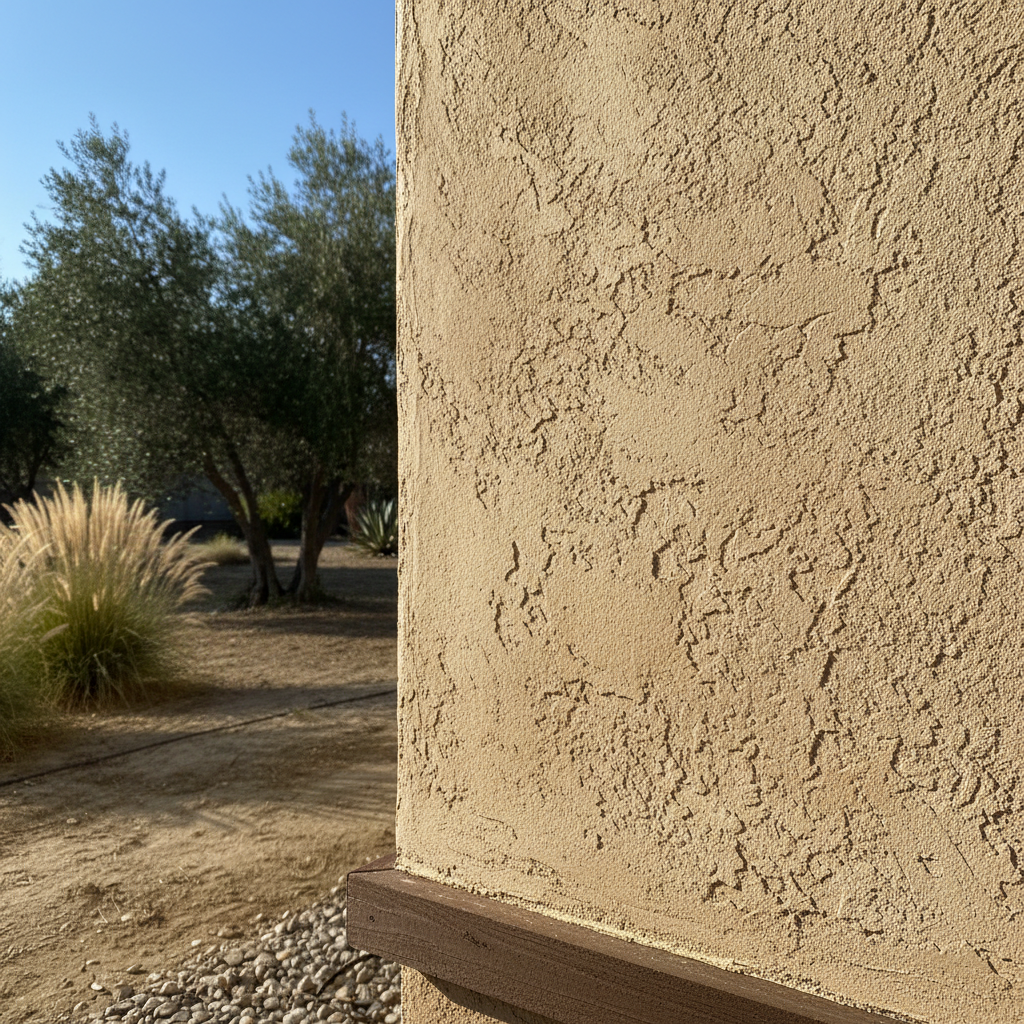
Alright, let's talk stucco inspection. If you've got a stucco home here in Fresno, you know it's a tough, good-looking exterior. But hey, nothing's invincible, right? Our crazy Central Valley weather, with those scorching summers and sometimes heavy winter rains, really puts stucco through its paces. So, knowing how to keep an eye on it? That's a big deal. It's really about protecting your biggest investment, plain and simple.
Before the Project: Your Initial Walk-Around
Before you even think about hiring someone or grabbing a trowel, you've got to figure out what's going on. This is your moment to play detective for your own home. Grab a notepad and just walk around your house, really looking at the stucco. You're not just admiring the texture, mind you.
- Look for cracks: Hairline cracks? Pretty common, actually. Especially with our expansive clay soils here in Fresno, which can cause a bit of foundation movement over time. But wider cracks—like, bigger than a credit card's edge—those can spell trouble. They're basically an open door for moisture.
- Check for discoloration and staining: See any dark streaks? Look especially below windows, near the base of the walls, or around fixtures. Or maybe some white, powdery stuff (that's efflorescence, by the way)? That usually means water's getting in where it shouldn't, dissolving minerals and leaving them behind when it dries.
- Feel for soft spots or bulging: Give the stucco a gentle tap with your knuckles. Does it sound hollow in some spots? Or feel soft or spongy? Maybe it even looks like it's bulging out? That could mean the stucco has separated from the wall, or worse, there's water trapped behind it, causing damage. Yikes.
- Examine around openings: Windows, doors, vents, hose bibs – these are classic entry points for water. Check the caulking and sealants. Are they cracked, brittle, or just plain missing? Make sure the flashing around these areas looks good; it's supposed to direct water away.
- Don't forget the base: Take a good look at the bottom edge of your stucco, right where it meets the foundation or the ground. You should spot a metal or plastic strip there, called a weep screed. This little guy is super important for letting any moisture that gets behind the stucco drain out. Make sure it's not buried by soil or landscaping and that it's clear of any junk.
If you spot small hairline cracks (under 1/8 inch) or minor cosmetic issues, you might be able to fix those yourself with some good quality caulk or a patch kit. But if you're seeing widespread cracking, significant discoloration, bulging, or soft spots, that's your cue to call in a pro.
During the Project: Keeping an Eye on Things
So, you've decided to go ahead with a stucco repair or maybe even a whole new stucco project. Even if you've hired a solid crew like Top Line Fresno Stucco, it's still smart to understand what's happening. You don't need to hover, but knowing what to look for can really help ensure things are done right.
- Proper preparation: Before any new stucco goes on, the surface underneath needs to be clean, dry, and prepped correctly. If it's a repair, they should be removing all the damaged material and fixing any underlying issues, like wood rot.
- Layer by layer: Stucco isn't just one coat, you know. There are multiple layers, and each one needs to be applied correctly and given enough time to cure properly. Don't let anyone rush this part.
- Flashing and drainage details: Pay close attention to how they handle windows, doors, and rooflines. Proper flashing is absolutely non-negotiable for keeping water out. Make sure that weep screed is installed correctly at the base, with the right clearances above the ground or paved surfaces.
- Control joints: For larger stucco areas, control joints are essential. They help manage expansion and contraction, stopping bigger, uncontrolled cracks from forming. If you've got a big, flat stucco wall—especially common on some of the ranch-style homes around Old Fig Garden—make sure these are in place.
A good contractor will be happy to explain their process, honestly. If something looks off or you have a question, just ask! It's your home, and you're paying for quality work.
After the Project: Ongoing Maintenance & When to Call a Pro Again
The project's done, and your stucco looks fantastic. Now what? Well, the inspection doesn't stop there. Regular, simple checks can stop small problems from turning into big, expensive ones down the road.
- Annual visual checks: Make it a habit to walk around your house at least once a year, preferably after our winter rains, and do the same visual inspection you did before the project. Look for new cracks, stains, or any changes.
- Keep it clean: Gently wash your stucco periodically to remove dirt and grime. Just don't use a high-pressure washer; it can really damage the stucco.
- Maintain landscaping: Keep bushes and plants trimmed back from the stucco. This helps with airflow and stops moisture from getting trapped against the wall. Also, make sure your sprinklers aren't constantly hitting the stucco.
- Check gutters and downspouts: Ensure they're clear and directing water away from your foundation.
While you can handle minor surface cleaning and keeping an eye out for issues, there are definitely times when you absolutely need to call in a professional. If you spot any of those red flags we talked about – widespread cracks, significant discoloration, bulging, or soft spots – don't delay. These are often signs of moisture intrusion, which can lead to mold, wood rot, and structural damage if you ignore it. A professional stucco inspector has specialized tools like moisture meters and infrared cameras that can find hidden problems you can't see. They can do non-invasive inspections, and if needed, invasive testing to get to the root of the issue.
Even if everything looks fine, getting a professional stucco inspection every 3-5 years is a smart move, especially for a stucco home in Fresno's climate. It's like a check-up for your house, catching things before they become emergencies. Top Line Fresno Stucco is always here if you need a professional eye or a trusted hand for any stucco work. Seriously, don't wait until a small issue becomes a full-blown nightmare.